Irin Akther

Research Focus — Pillar 1

Explainable AI for network intrusion detection

One argument in six parts: why black-box intrusion detection is a national-security problem, and what trustworthy, human-centered AI defense actually looks like.

01

The black box guarding our networks

An AI is deciding what counts as a cyberattack on critical systems — and often it can't say why.

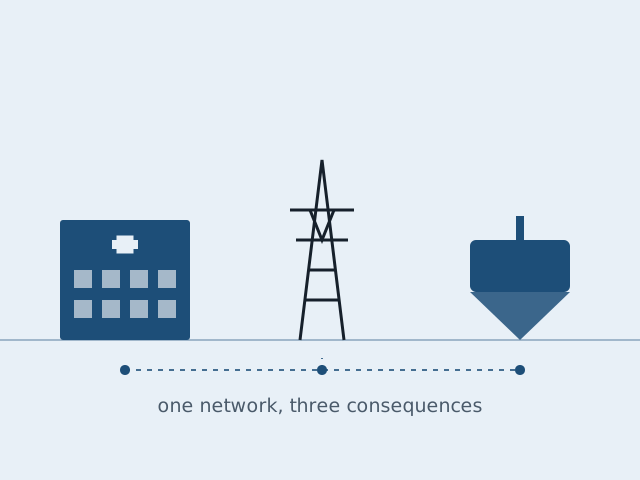
Machine learning powers the intrusion-detection systems behind hospitals, power grids, and water systems. They are fast and they catch what humans miss. But an alarm without a reason forces an impossible choice on the analyst receiving it: act on faith, or wait and risk a breach.
Detection · trust · critical infrastructure

Hospital, power pylon and water tower joined by a single network line

02

Why “threat detected” isn't enough

The biggest weakness in AI cyber-defense isn't accuracy. It's that no one can act on what it says.

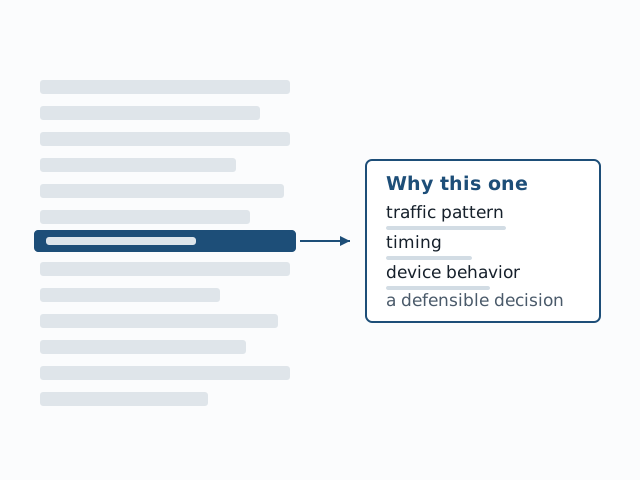
A single operations center can see tens of thousands of alerts a day, most of them false alarms. Add a model that flags threats without explaining them and analysts can no longer separate signal from noise — so they tune out, which is exactly when a genuine attack slips through.

We call it alert fatigue, but underneath it is a trust problem: people don't act on a system they can't understand. The fix isn't a more accurate black box. It's a model that shows its work, turning an alert into a decision someone can defend.

Alert fatigue · SOC operations · decision support

A dense column of identical alerts with one highlighted and explained

03

From black box to glass box

What if a cyber-defense AI could point to the exact signals that made it call something an attack?

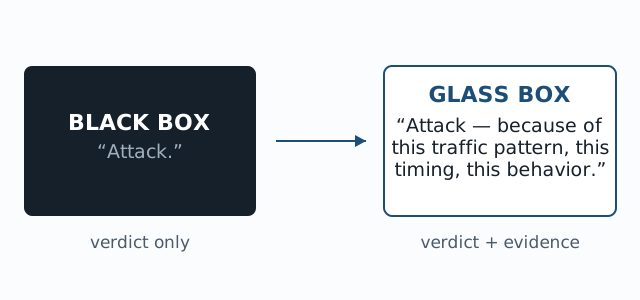
Explainable AI (XAI) changes what a security model outputs. Instead of only “attack” or “safe,” an explainable model highlights the features that drove the decision — this traffic pattern, this timing, this behavior. My work brings that transparency to network intrusion detection, tested on established benchmark datasets such as CICIDS2017 so results stay measurable and comparable rather than merely claimed.

The goal is a glass box: as capable as the black box, but one a human can look inside.

XAI · feature attribution · benchmark evaluation (CICIDS2017)

A black box outputs only a verdict; a glass box outputs the verdict together with the evidence behind it

04

Explanations built for the person reading them

The same alert should look different to a veteran analyst and to a small-town utility operator — and most systems ignore that.

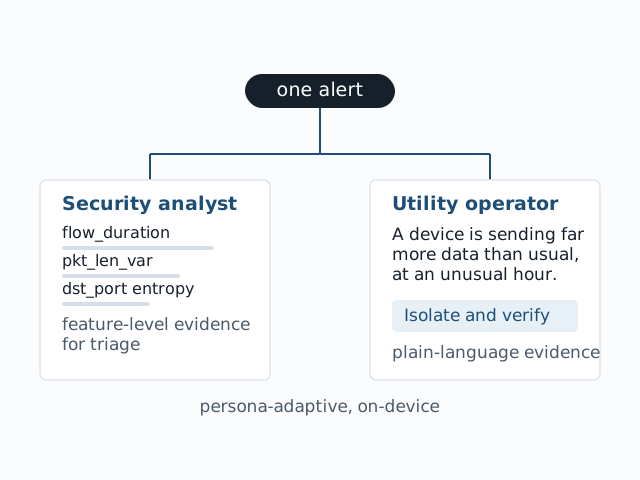
An explanation is only useful if the person receiving it can understand it. A seasoned security engineer and the operator of a small water utility have very different backgrounds, yet both defend critical infrastructure and both may be staring at the same AI alert.

My contribution is persona-adaptive explanation: matching how the system explains itself to the technical literacy of the reader, generated on-device so sensitive data never leaves the network. This is the basis of a patent-pending (provisional) approach.

Human-centered AI · persona adaptation · on-device inference · patent pending (provisional)

One alert rendered two ways: a technical read-out for an analyst and a plain-language read-out for an operator

05

The hard trade-offs nobody mentions

Making AI explainable sounds obvious — so why isn't every security system built that way?

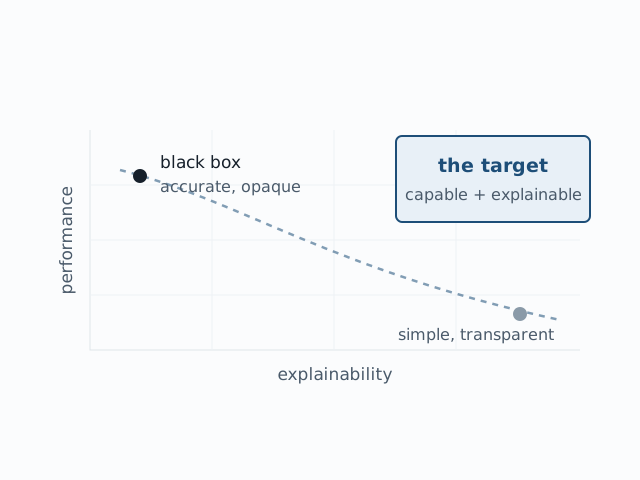
  • Performance vs. transparency. The most accurate models are frequently the hardest to explain. Closing that gap without losing capability is genuine research, not engineering polish.
  • Single-dataset results. Strong numbers on one benchmark don't prove a system holds up against a real, adversarial attacker — and pretending otherwise is how trust gets broken.
  • Adaptive adversaries. A defense that is transparent to us has to stay robust when someone is actively trying to fool it.

Naming these honestly is part of doing the work responsibly.

Robustness · generalization · research integrity

Chart of the tension between model performance and explainability, with a target region where both are high

06

Defending infrastructure people can trust

The next decade of national security will be won or lost on whether we can trust the AI defending us.

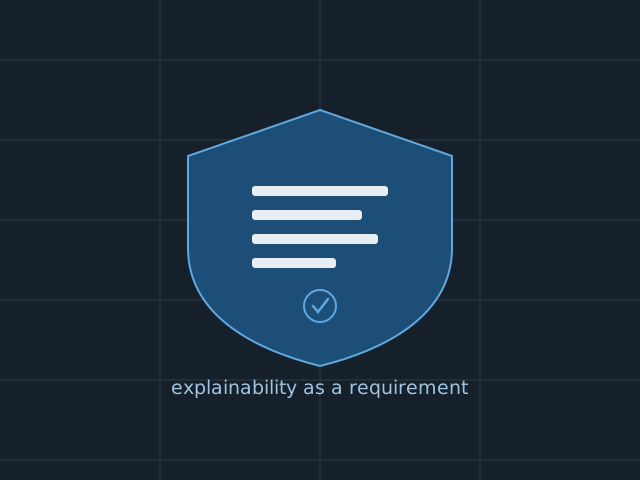
As more of our defense is handed to AI, explainability stops being a nice-to-have and becomes a requirement. Recent U.S. federal guidance on AI in critical infrastructure names the lack of explainability as a core risk — precisely the gap this research works to close.

The aim is intrusion detection that is transparent, human-centered, and trustworthy enough to protect the hospitals, grids, and utilities everyday life depends on.

National security · AI policy · trustworthy AI

A shield built from a document, representing explainability written into critical-infrastructure policy

Trustworthy AI isn't a feature of national defense. It's the foundation of it.

The series on LinkedIn

Each part of this argument is also a short video. Posts embed below as they publish.

Clip 1 — The black box guarding our networks LinkedIn embed slot. Paste the post's <iframe> here.
Clip 2 — Why “threat detected” isn't enough LinkedIn embed slot. Paste the post's <iframe> here.
Clip 3 — From black box to glass box LinkedIn embed slot. Paste the post's <iframe> here.

Embeds load from linkedin.com and only render on a page served over http(s) — open the site through a web server or a live host rather than double-clicking the file. Duplicate one block per additional clip; the grid reflows on its own.

Scope & current status

Framing
Defensive cybersecurity for critical infrastructure. No offensive capability is developed, described, or shared.
Evaluation
Established public benchmarks, including CICIDS2017. Benchmark results do not imply validated real-world generalization.
Patent status
Persona-adaptive explanation approach is patent pending (provisional) — not granted or issued.
Publications
Flagship papers are in preparation or under review.

This page summarizes an ongoing research program for a general audience. Figures and claims are kept deliberately conceptual; formal results belong in peer-reviewed venues.