AI & Cybersecurity Researcher
Making the AI that defends critical infrastructure explain itself.
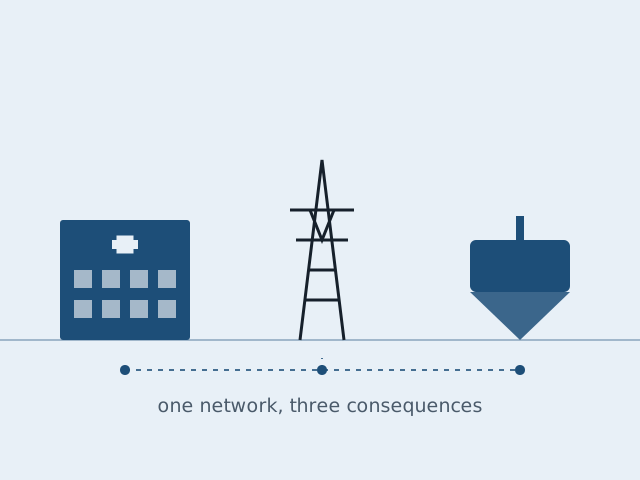
Right now, machine-learning systems decide what counts as a cyberattack on hospitals, power grids, and water systems — and most of them cannot tell anyone why. That gap between detection and explanation is where my research lives.
The problem in one sentence
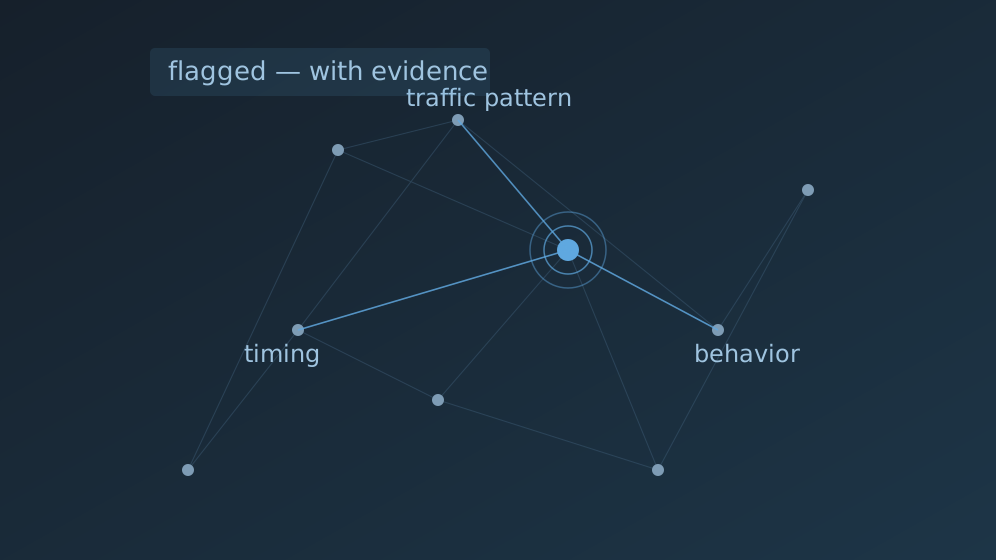
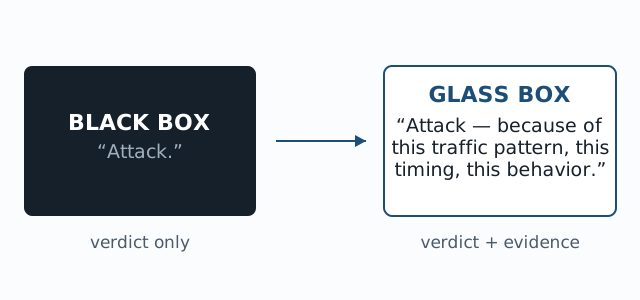
Modern intrusion-detection systems are fast, and they catch things humans miss. But most are black boxes: they raise an alarm, and they cannot show the reasoning behind it. A security analyst receives “threat detected” — no reason, no evidence, no why.
Do they shut down a hospital's network on faith? Or wait, and risk a real breach? When the system defending critical infrastructure can't explain itself, we've moved the problem, not solved it.
Detection without explanation isn't protection — it's just a louder alarm.
From black box to glass box
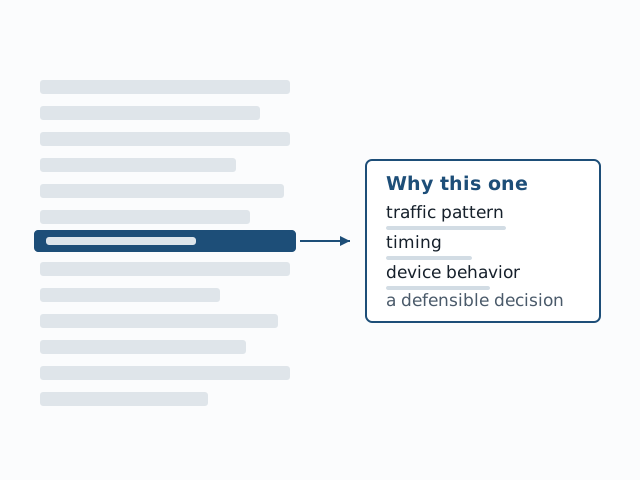
Explainable AI (XAI) changes what a security model puts out. Instead of a verdict alone, it highlights the features that drove the decision — this traffic pattern, this timing, this behavior.
What I work on
Explainable intrusion detection
Transparency for network intrusion-detection models, evaluated on established benchmark datasets so results are measurable and comparable.
Persona-adaptive explanations
Tailoring how an alert explains itself to the technical literacy of whoever is reading it — the basis of a patent-pending (provisional) approach.
On-device privacy
Generating those explanations locally, so sensitive operational data never has to leave the network it describes.
What's at stake
Why it matters beyond the lab
The frontline of cyber-defense isn't only elite security teams. It's thousands of under-resourced operators — a small water utility, a rural clinic — staring at the same AI alert as a veteran analyst, with none of the same context.
U.S. federal guidance on AI in critical infrastructure already names the lack of explainability as a core risk. Closing that gap is the point of the work.
Security that only experts can understand isn't security for the whole country.